
health technology
Win HealthTech deals faster by balancing a patient-centered mission focused on health outcomes with demand for cost efficiencies
Health systems and life sciences teams are under pressure to improve health outcomes while protecting margin, and buying committees expect clear proof on both.
download the health tech ebookWhy HealthTech Buying is Changing Now
HealthTech buying is becoming more cautious and committee-driven buyers want less “platform talk” and more clarity on health outcomes, solution ROI, and the path to implementation.

Rising labor and supply costs force health systems to improve productivity without compromising patient access, quality, or experience
Risk-conscious clinical and operational stakeholders require confidence in outcomes and workflow fit before consensus forms
Rising costs of drug development are creating pressure for stronger real-world evidence and a proven path to commercialization
A diversity of reimbursement type by care setting and payer contract is adding financial risk while increasing reporting burden
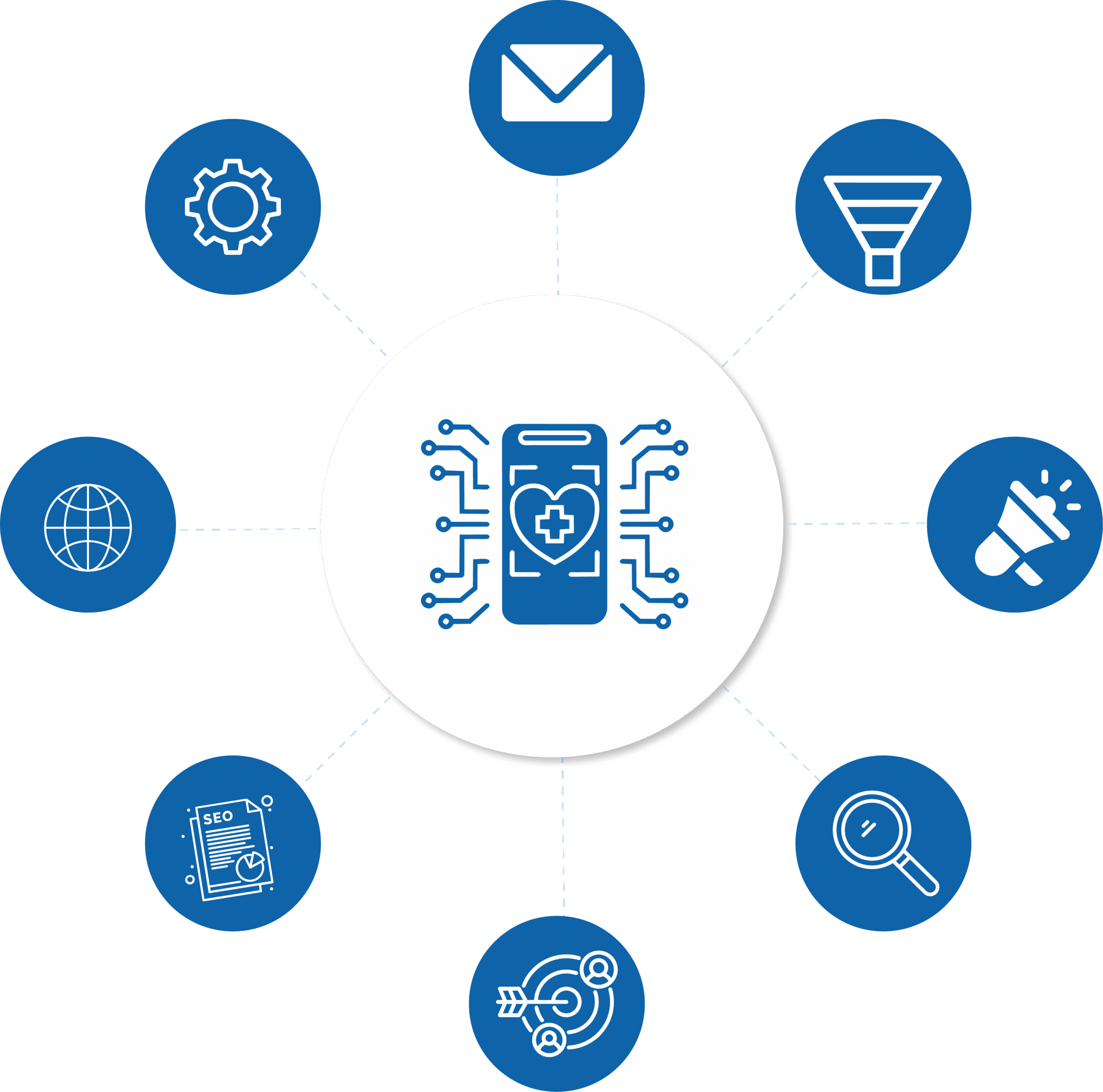
Challenges that stall the Health Tech Pipeline

Your Buyer Says:
“We like the idea, but we can’t prove ROI fast enough to get approval”
Your Response:
“One or more customer stories that quantifies your impact, frames the cost of inaction, and de-risks starting a first phase”
Your Buyer Says:
“This sounds promising, but where’s the impact on patient health outcomes?”
Your Response:
“Capability statements and customer stories tied to health outcomes and quality metrics, supported by clinical credibility and real-world evidence’’
Your Buyer Says:
“It’s difficult to balance the patient mission with cost control“
Your Response:
“Role-specific webpages, messaging and outcomes mapped to priorities for clinical leaders, finance, operations, and IT, so each can justify value in their own terms”
Your Buyer Says:
“We can’t afford implementation drag or workflow disruption”
Your Response:
“A clear path to a first win that builds confidence, protects workflows, and keeps expansion opportunities visible’’
What Journey-First Teams do Differently
Journey-first teams reduce risk for the buyer by creating a role-based path from priority to proof to a first win, and then to expansion.
Unique Positioning Framework: lead with outcomes that matter by stakeholder, not features
Multi-Threaded Buyer Journey: keep deals moving by aligning the committee, not just one champion
Thought leadership across the journey: answer the buyer’s “how do I know?” questions early
Personalizing digital engagement: make it easy to self-navigate by role and use case
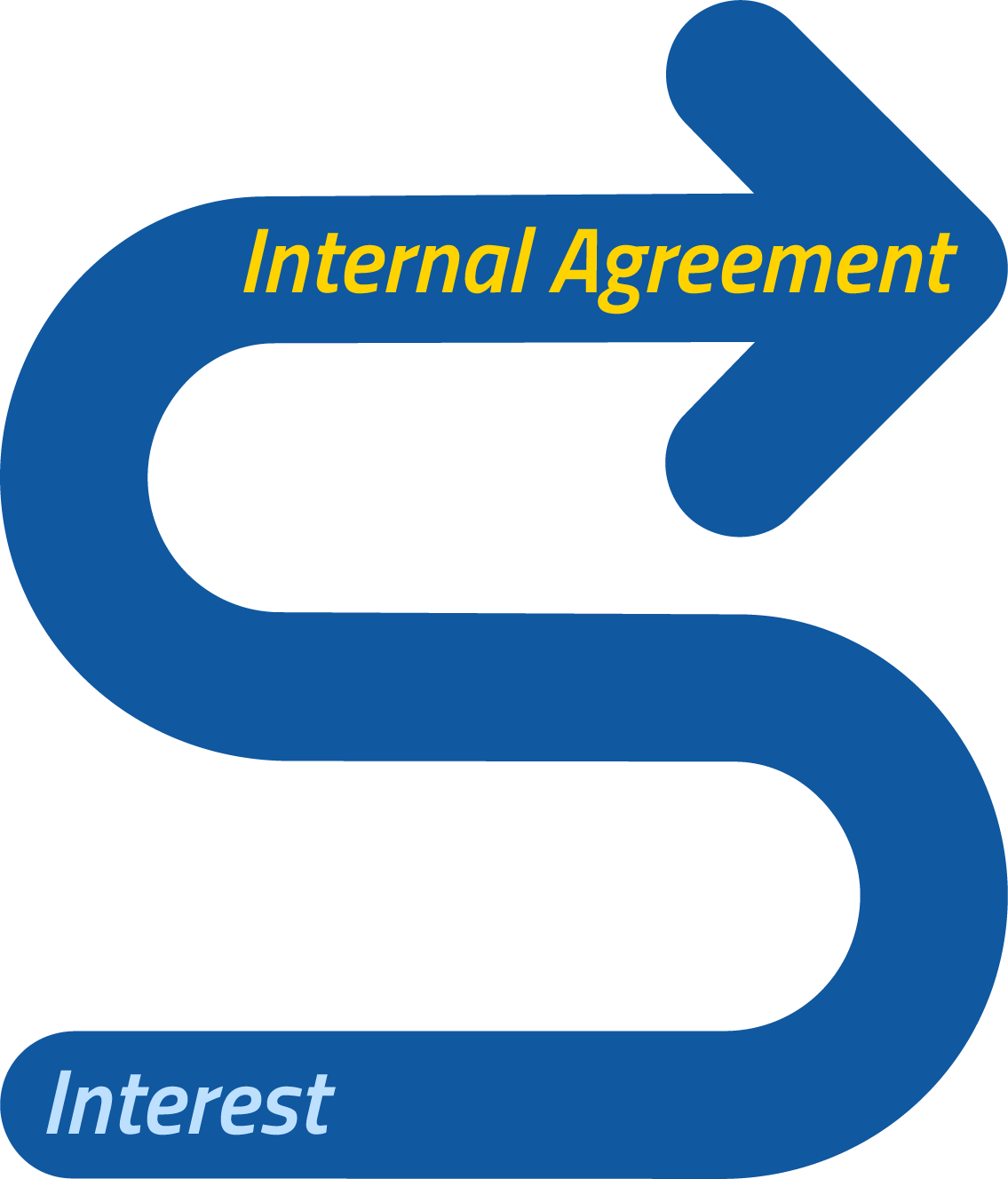
Middle funnel conversion: build the promise + diagnostics + proof to turn interest into conviction
Selling as a trusted advisor: continuous discovery that surfaces what each stakeholder truly needs
Match your HealthTech peers’ strengths.
Excel where they fall short

Segment Strengths

Many HealthTech providers lead with robust customer proof, using a strong bench of stories that help buyers quickly see “this works for organizations like ours”
More companies are building for multi-persona buying, with targeted webpages and content that acknowledge different stakeholders in the committee
More leaders are building for Answer Engine Optimization (AEO), reinforcing a small set of value-defining phrases so they show up consistently when buyers search and ask AI tools for recommendations

Segment Opportunities
Practical evaluation aids (guides, checklists, decision tools) are still underused, leaving buyers without an easy way to diagnose fit and move forward
Customer proof is often not organized into persona-specific pathways, which slows consensus when each role is looking for different validation
Value-defining themes don’t always show up consistently across websites and social media, which weakens differentiation before buyers ever engage sales
Trusted by leading HealthTech solution providers:


What this looks like in practice
Best sales year in a decade by building a shared sales playbook and consultative, value-based execution.
Supported the company’s top sales year over the last decade
Drove a 35% year-over-year increase in new sales revenue, with pipeline and average contract value doubling
Built consultative playbooks + training so teams could tailor value to each hospital’s needs
“Once you have the foundation of a shared sales playbook… your work on deal strategy gets a lot more pinpointed”

Nearly 50% revenue growth by shifting from “data dumps” to role-based, outcome-centered storytelling across the funnel.
Nearly 60% of SQLs came from prospects who self-qualified through website content (then verified by SDRs)
Segmented buyers by role (clinical development, medical affairs, commercial) to match messaging to real use cases
Revenue grew by almost 50% during the year of the partnership
“Data alone doesn’t drive decisions—relevant, curated insights do”
Keep Learning:
Short reads to support stakeholder-specific value and faster decisions
Using Micro-Discovery to Align Your Buying Committee
A practical method to keep consensus moving as new clinical, operational, financial, and IT stakeholders join the evaluation.
Middle Funnel Conversion
How to turn interest into internal justification with proof, structured narratives, and decision support content.
4 Steps to Shift from Product Pitching to Business Outcomes
A simple framework for re-framing your message around measurable business impact, helping each stakeholder see “what changes for me” instead of hearing another feature list.
Get a starting point you can
use this week
Download Chapter One of the Revenue Acceleration Playbook and see how to map value pathways by buyer role, priority, and proof.
download chapter one:the revenue acceleration playbook